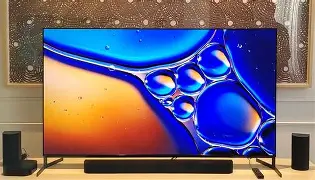
Difference Between Klipsch Flexus Core 300 and Sony Bravia 8 Ii Explained
When it comes to elevating home entertainment, soundbars and smart TV systems are indispensable for movie enthusiasts, gamers, and music lovers alike. Among the latest contenders in premium audiovisual gear are the Klipsch Flexus Core 300 and the Sony Bravia 8 Ii. Each product serves a different yet overlapping niche in the world of immersive entertainment. This article delves deep into both products, analyzes their strengths and weaknesses, and guides buyers toward the best fit for their needs.
Introduction
Today's consumers demand more from their home entertainment setups. It's not just about excellent picture or powerful sound—it's about harmony, seamless integration, and versatility to handle movies, streaming, gaming, and even smart home connectivity.
The Klipsch Flexus Core 300 stands out as a premium soundbar system, promising audiophile-worthy audio in a compact package. On the other side, the Sony Bravia 8 Ii is an advanced OLED smart TV in Sony's flagship Bravia line, celebrated for its dazzling visuals and intelligent features.
This in-depth article will discuss both products, their appeals, real-world use cases, pros and cons, and provide a comprehensive side-by-side comparison.
Product Overview
Klipsch Flexus Core 300: Detailed Review
The Klipsch Flexus Core 300 is designed to serve as the centerpiece of a high-performance audio system for home theaters and living rooms. It builds on Klipsch’s legacy of acoustic expertise by offering distinctive features and robust connectivity options that appeal to critical listeners.
Discover deals on TVs & Home Theater — updated daily.
Browse Now →Key Features and Performance
- Acoustic Performance: Harnesses custom-tuned drivers and hybrid horn-loaded technology, delivering clear highs, pronounced mids, and room-rattling bass. The soundstage is wide, which is excellent for cinematic experiences.
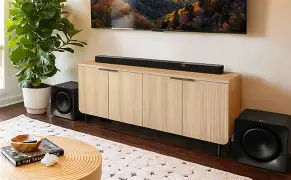
- Build and Design: The Flexus Core 300 flaunts a premium, minimalist enclosure with authentic wooden accents. Its physical presence is meant to complement upscale living spaces.
- Connectivity: Supports HDMI eARC, optical, USB, Bluetooth, and Wi-Fi, making it easy to pair with modern TVs, gaming consoles, and mobile devices. It can function as a standalone soundbar or integrate with additional Klipsch speakers.
- Smart Features: App control, multi-room audio compatibility, and support for voice assistants add convenience, especially in modern smart homes.
- User Experience: Setup is straightforward, and the companion app allows easy EQ adjustments and system updates. The system can be tailored for movies, music, or gaming via selectable audio profiles.
Who Is It For?
Buyers who prioritize audio fidelity, customization, and room-shaking bass will find the Klipsch Flexus Core 300 an ideal match. It's best suited for audiophiles who already own a good display and want to retrofit their living space with world-class sound.
Sony Bravia 8 Ii: Detailed Review
A marvel in TV technology, the Sony Bravia 8 Ii leverages the company’s expertise with OLED panels and proprietary picture processing to immerse viewers in stunning visuals. It is more than just a display—it’s a smart hub for all types of content, integrating effortlessly with streaming platforms, gaming consoles, and home ecosystems.
Key Features and Performance
- OLED Display: The star of the Bravia 8 Ii is its self-illuminating OLED panel, which achieves deep blacks, infinite contrast, and realistic color. HDR support ensures compatibility with premium content from leading streaming services.
- Cognitive Processor XR: Sony’s powerful AI-driven processor optimizes picture quality in real-time, enhancing clarity, motion, and upscaling lower-resolution content to near-4K quality.
- Acoustic Surface Audio+: Sound is emitted directly from the screen, creating an experience in which dialogue and effects are realistically positioned. For many, it removes the need for a separate soundbar.
- Smart TV Features: Runs Google TV, granting access to thousands of apps, streaming channels, and voice controls via Google Assistant or Alexa. Integrated Apple AirPlay and Chromecast provide additional convenience for Apple and Android users.
- Versatile Connectivity: Multiple HDMI 2.1 ports with support for 4K/120Hz, VRR, and ALLM cater to next-generation gaming consoles and PCs.
Who Is It For?
The Sony Bravia 8 Ii is tailored for users who want one device to deliver both breathtaking visuals and immersive sound. Home theater enthusiasts, streamers, and gamers seeking the pinnacle of television technology will find this model compelling.
Pros & Cons
Klipsch Flexus Core 300
- Pros:
- Exceptional, customizable audio quality for music, movies, and gaming
- Wide range of modern connectivity options
- Scalable with other Klipsch Flexus speakers for multi-room sets
- Premium build materials and industrial design
- App and voice assistant integration for smart home use
- Cons:
- Does not include a display—still needs a TV for visuals
- Price may be steep for non-audiophile users
- Full features best leveraged with other Klipsch Flexus products
- Some features may require occasional firmware updates
Sony Bravia 8 Ii
- Pros:
- Industry-leading OLED picture quality with brilliant colors and contrast
- Acoustic Surface Audio+ removes need for external speakers in most rooms
- Comprehensive smart features and app ecosystem
- Great for gaming with HDMI 2.1, 4K/120Hz, VRR, and ALLM support
- Sleek, modern design fits any décor
- Cons:
- Internal speakers, while excellent, can't match dedicated soundbars like Flexus Core 300 for high-fidelity audio
- Premium pricing relative to LED TVs and entry OLEDs
- Requires professional calibration for absolute best picture quality
- Some advanced settings can overwhelm less tech-savvy users
Klipsch Flexus Core 300 vs. Sony Bravia 8 Ii: Comparison Table
| Feature | Klipsch Flexus Core 300 | Sony Bravia 8 Ii |
|---|---|---|
| Product Type | Soundbar (audio system) | OLED Smart TV |
| Core Function | Premium audio playback for TV, movies, music, gaming | All-in-one visual and audio entertainment |
| Display | None (requires separate TV) | Advanced OLED panel (4K HDR, up to 77") |
| Audio Technology | Hybrid horn-loaded drivers, dedicated subwoofer out | Acoustic Surface Audio+ (sound via screen vibration) |
| Smart Features | App control, Alexa/Google Assistant support | Google TV interface, full app ecosystem, voice assistant |
| Connectivity | HDMI eARC, Optical, USB, Bluetooth, Wi-Fi | HDMI 2.1 x4, Wi-Fi, Bluetooth, AirPlay, Chromecast |
| Gaming Features | Low latency audio, customizable EQ | 4K/120Hz, VRR, ALLM, Auto HDR Tone Mapping |
| Expandability | Scalable multi-speaker setups | N/A (standalone) |
| Ideal Users | Audiophiles, home theater builders | All-in-one entertainment seekers, gamers |
| Typical Price Segment | Upper midrange to premium | Flagship/premium TV |
Buying Guide: Which Is Right for You?
Consider Your Priorities
Choosing between these two products depends on your existing setup, desired use cases, and budget. Here’s a breakdown to help you decide:
Find top-rated TVs & Home Theater products at great prices.
Browse Now →- If you already own a great TV but find the audio lacking:
- The Klipsch Flexus Core 300 injects new life and precision into audio experiences. It supports both casual TV viewing and critical music listening. Add-on compatibility means you can gradually build a full surround setup.
- If you need a full upgrade and want both visuals and sound in one package:
- The Sony Bravia 8 Ii is a stellar all-in-one solution. It's perfect for movies, TV, competitive gaming, and streaming, with a strong focus on visuals and a highly capable sound system for most everyday use.
What Buyers Typically Care About
- Sound Quality: For pure audio performance, especially in dedicated home theaters or large rooms, a system like the Flexus Core 300 is irreplaceable. However, the Bravia’s Acoustic Surface Audio+ is impressive for integrated TV speakers.
- Visual Quality: If picture quality is the dealbreaker, the Bravia 8 Ii's OLED display is a top-tier choice, outperforming most LED or QLED panels.
- Ease of Use and Integration: Both offer modern smarts—voice control, app support, multi-room features. If you prefer fewer devices and wires, Bravia 8 Ii consolidates everything elegantly.
- Budget and Expandability: Flexus can be purchased separately and expanded later. Bravia’s premium price reflects its status as a flagship OLED with advanced processing and sound.
- Gaming: The Bravia 8 Ii’s HDMI 2.1 features are a must for PlayStation 5, Xbox Series X, or gaming PC users wanting 4K/120Hz and variable refresh rates with ultra-low input lag. Audio fans might still consider pairing such a TV with the Flexus Core 300 for a complete package.
Conclusion
Both the Klipsch Flexus Core 300 and Sony Bravia 8 Ii shine as category leaders. The Flexus Core 300 is a powerhouse soundbar, delivering room-filling audio, connectivity, and flexibility, especially for existing TV owners looking to strengthen their home theater sound. The Sony Bravia 8 Ii, meanwhile, sets the benchmark for all-in-one entertainment, combining show-stopping picture and surprisingly effective integrated audio with the vast resources of Google TV and next-gen gaming support.
Ultimately, the right choice depends on whether you prioritize audio above all, already own quality visuals, or seek a single device that brings both top-notch sound and stunning pictures together. Carefully weighing room size, usage scenario, and anticipated upgrades will guide buyers to the product that fits seamlessly into their home entertainment vision.